How To Create NFT Step by Step
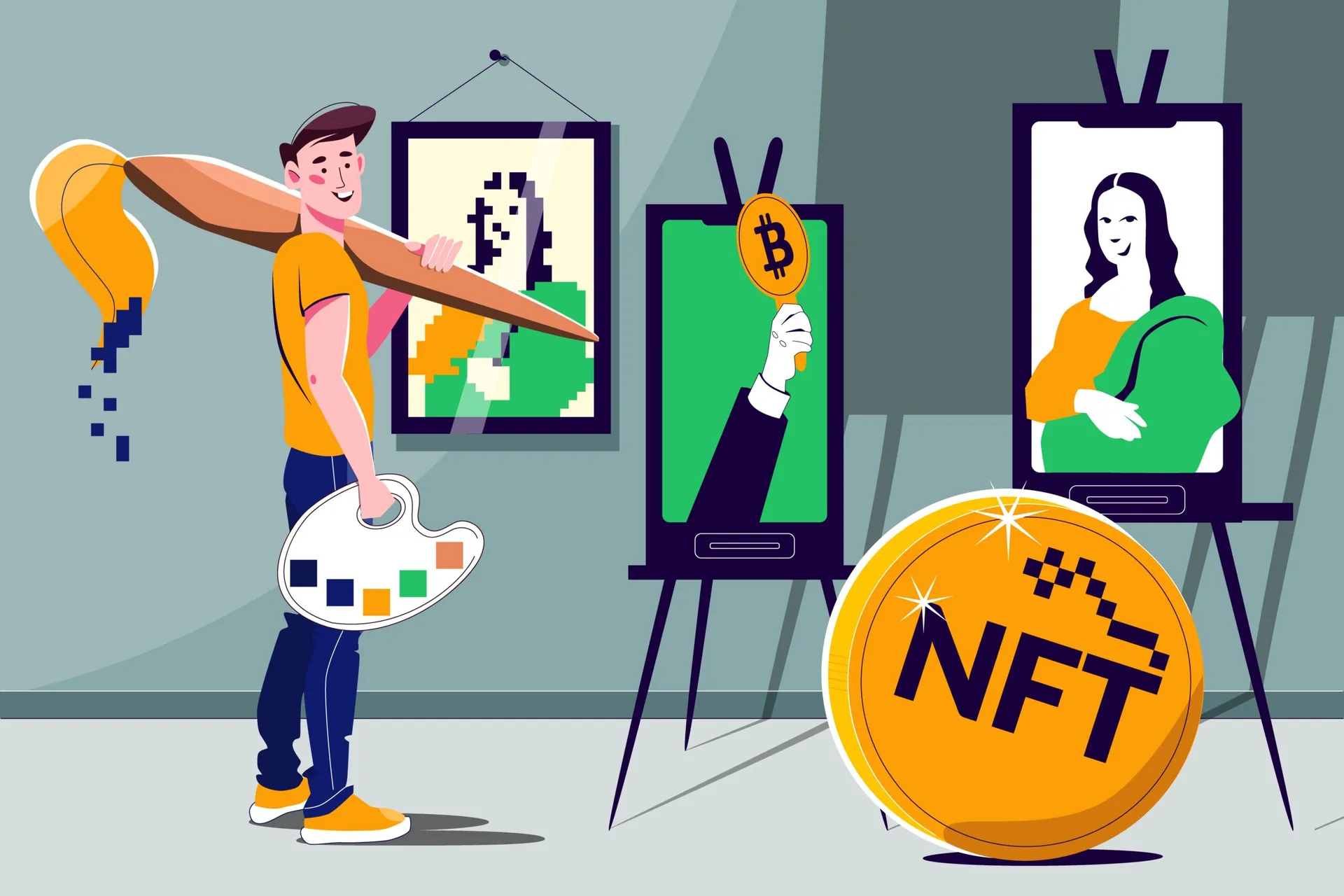
The market for digital art and collectibles has changed because NFTs have given artists new ways to make money from their work. There is a set way to make an NFT, whether you are an artist, singer, or business owner. This article tells you how to make NFTs in detail, step by step.
1. Getting to know NFTs
NFTs are digital goods that are one-of-a-kind and are stored on a blockchain. NFTs are different from cryptocurrencies like Bitcoin and Ethereum because they are unique and can't be copied. People often use them to show digital art, music, videos, in-game items, and even real-world things.
What's important:
- Being unique: each NFT has its own set of information.
- Ownership: Blockchain makes it clear who does.
- It's possible to buy, sell, or swap NFTs on marketplaces.
2. How to Choose a Blockchain
The first thing you need to do to make an NFT is pick a blockchain.The blockchain decides how much a transaction will cost, how it will affect the environment, and whether it will work with other marketplaces.
Some popular choices are:
- Ethereum: The most popular one. It works with big marketplaces like OpenSea and Rarible.
- Polygon: Better for the environment and cheaper.
- Solana: Deals happen quickly, and the environment is getting bigger.
When you make your choice, think about these things:
- The price of gas (transaction fees).
- Taking care of the environment.
- Help for the business world.
3. Making a crypto wallet
Your digital money and NFTs are stored in a crypto wallet. It is necessary to use marketplaces.
How to do it:
- Get a wallet app like MetaMask, Coinbase Wallet, or Trust Wallet.
- Keep your seed phrase safe; it's your recovery key.
- Link your wallet to the blockchain you want to use.
- Putting money in your pocket
To make NFTs, you need cryptocurrency to cover the costs.
- You can buy Ethereum, Polygon, or Solana on exchanges like Coinbase or Binance.
- Put money into your wallet.
- Keep an eye on gas prices so you don't pay more than you have to.
5. Choosing a Marketplace for NFTs
Marketplaces are places where NFTs are made, put up for sale, and sold.
These are the best places to shop:
- The biggest market is OpenSea, which works with both Ethereum and Polygon.
- Rarible: community-driven and supports multiple chains.
- Foundation: curated and focused on artists.
Before you make a decision, compare marketplaces based on their fees, audience, and how easy they are to use.
6. Making your digital asset
You can have an NFT that is:
- Art (digital paintings, drawings).
- Audio or music files.
- Videos or animations.
- Text-based creations (poems, stories).
NFTs can be used for more than just visual art; any digital file can be turned into an NFT.
7. Making the NFT
Minting is the process of turning your digital file into an NFT on the blockchain.
Steps:
- Put your file in the marketplace.
- Add metadata like the title, description, and properties.
- Pick a blockchain, like Ethereum, Polygon, or another one.
- Pay the gas fees to finish minting.
8. Setting Up Options for Sales
After minting, you need to decide how to sell your NFT:
- Fixed Price: Choose a certain amount.
- Auction: Buyers place bids until the highest one wins.
- Auction with no time limit: bids can keep coming in.
Make sure your sales strategy matches your goals, whether you want to make quick sales or get the most value out of each sale.
9. Getting the word out about your NFT
You have to sell yourself if you want to be seen.
- Sharing videos on Twitter, Instagram, and TikTok are all good ways to do this.
- Talk to people in NFT communities on Discord and Reddit.
- Work with other artists.
- Use features of the marketplace, such as spotlight listings.
Be patient; it can take time for buyers to find your work.
10. Taking care of your NFT portfolio
When your NFT is live:
- You can keep track of who owns what and what they sell through your wallet.
- Think about making collections to keep things consistent.
- Look into royalties; many marketplaces let creators get a cut of secondary sales.
11. Ethical and environmental issues
Transactions on blockchains use energy, so using blockchains that are good for the environment, like Polygon or Solana, can help you lower your carbon footprint.
Doing the right thing:
- Don't copy other people's work; only make your own.
- Be open with your customers.
- Follow the rules of the community.
12. Problems that happen a lot and how to fix them
- Gas fees are high. Use Polygon or wait for Ethereum fees to go down.
- Low Visibility: Use social media to promote yourself.
- Technical Barriers: Use platforms that are easy for beginners to use.
- Market Volatility: Spread your investments out and set realistic goals.
In conclusion
Making an NFT requires a mix of creativity, technology, and planning. By doing these things:
- Get to know NFTs.
- Pick a blockchain.
- Make a wallet and put money in it.
- Choose a market.
- Take care of your digital stuff.
- Make the NFT.
- Set up ways to make sales.
- Get the word out about your work.
- Take care of your portfolio.
You can get into the NFT space and do well. This roadmap gives people who want to make NFTs everything they need to get started.